 By Ethan Brooks
Updated November 2026
Homeowners in Pakistan planning a solar system installation for home use often start with the same question: which reference should I trust before I touch a wire or climb onto the roof? This list compares three widely available books that cover photovoltaic design, installation practice and off-grid system basics. The selection criteria were the depth of technical coverage, how well each title suits a non-specialist reader, whether the material addresses system sizing and wiring, and how consistently owners describe the book as useful for real projects. We did not test these books in a lab or use them on a job site. Our comparison is based on their published scope, reader feedback patterns and how well each matches a typical Pakistani home project.
Our top picks at a glance
- 1
 TOP CHOICEBest overallPhotovoltaic Design & Installation For DummiesView on Amazon
- 2
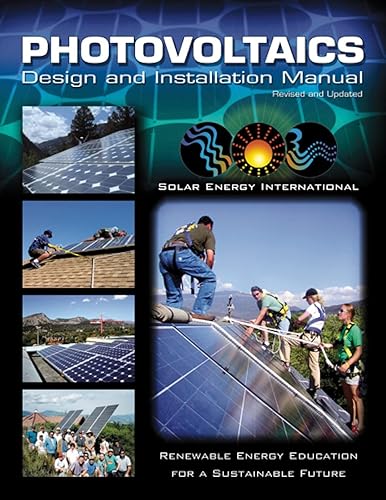 Best for technical depthPhotovoltaics: Design and Installation ManualView on Amazon
- 3
 Best for off-grid beginnersSolar Power for Beginners: Basics, Design and Installation of a Solar Panel SystemView on Amazon
Our Top Picks
Quick Comparison
| Product | Best for | Key feature |
|---|---|---|
| Photovoltaic Design & Installation For Dummies | Homeowners new to solar planning | Plain-language walkthrough of system design |
| Photovoltaics: Design and Installation Manual | Readers who want engineering-level detail | Thorough treatment of electrical design and standards |
| Solar Power for Beginners: Basics, Design and Installation of a Solar Panel System | Off-grid home projects | Covers stand-alone systems from the ground up |
Photovoltaic Design & Installation For Dummies
Photovoltaic Design & Installation For Dummies
Best for: Homeowners who want a clear, structured introduction to planning a home solar installation before hiring or doing the work themselves.
This is the most approachable of the three. It is written for readers without an engineering background and walks through the logic of a photovoltaic system: how panels, inverters, mounting and wiring fit together, and how to think about energy needs before choosing equipment. It suits a family in Lahore, Karachi or Faisalabad who is still deciding whether a grid-tied or hybrid setup makes sense.
Key specs
- Format: general reference book on photovoltaic design and installation
- Audience: beginners and non-specialist homeowners
Pros
- Plain-language explanations of core concepts
- Good starting point for planning before getting quotes
- Organized so you can read one section at a time
Cons
- Less detail than a technical manual for complex wiring or sizing
- Does not replace local electrical code or utility requirements
Bottom line: Pick this if you are a first-time solar buyer who needs to understand the system before making decisions. Pair it with guidance from a licensed installer.
Photovoltaics: Design and Installation Manual
Photovoltaics: Design and Installation Manual
Best for: Readers who want technical depth on electrical design, system sizing and installation practice.
This manual is aimed at people who will be doing detailed design work, whether that is an electrician, a technically confident homeowner or someone managing a larger residential project. It goes further into the engineering behind arrays, conductors and protection than the beginner titles do. Owners often describe it as a reference to keep on hand rather than a single read-through.
Key specs
- Format: technical design and installation manual
- Audience: installers, electricians and advanced DIY builders
Pros
- Detailed coverage of electrical design and system sizing
- Useful for checking calculations on your own plan
- Strong reference value over the long term
Cons
- Dense material that can overwhelm readers new to the subject
- Principles may need adapting to Pakistani equipment and regulations
Bottom line: Choose this if you have some electrical background and want engineering-level detail for designing your own system.
Solar Power for Beginners: Basics, Design and Installation of a Solar Panel System
Solar Power for Beginners: Basics, Design and Installation of a Solar Panel System. The Complete Guide for Your Off-Grid Home
Best for: Off-grid and stand-alone home projects, especially for readers starting from zero.
As the title suggests, this book focuses on the basics of solar panel systems and their design and installation, with an emphasis on off-grid living. It is a good fit for households in areas with unreliable grid supply that are considering batteries and a self-contained system alongside or instead of net metering.
Key specs
- Format: beginner guide to solar panel system design and installation
- Focus: off-grid home systems
Pros
- Starts from fundamentals before moving to design
- Relevant to battery-based and off-grid planning
- Accessible writing for self-taught readers
Cons
- Off-grid emphasis may be less useful for grid-tied net metering setups
- Less depth on advanced electrical design than the manual
Bottom line: A strong choice if you are planning a stand-alone or battery-backed home system and want a beginner-friendly foundation.
Buying Guide
Match the Book to Your System Type
Before buying, decide whether your home will be grid-tied with net metering, hybrid with batteries, or fully off-grid. Each type has different design logic. Grid-tied systems depend on utility interconnection rules, while off-grid systems depend heavily on battery sizing. A book focused on one approach may leave gaps for the other. For a breakdown of these options, see Types of Home Solar Systems: Grid-Tied, Hybrid, Off-Grid.
Good picks for this: Solar Power for Beginners (off-grid), Photovoltaic Design & Installation For Dummies (general)
Depth of Technical Content
Check whether the book explains the reasoning behind design decisions or only lists steps. Beginners benefit from explanations of why a system is sized a certain way. Experienced builders need calculations, conductor sizing and protection details. Mismatch in either direction leads to frustration.
Good picks for this: Photovoltaics: Design and Installation Manual (advanced), Photovoltaic Design & Installation For Dummies (introductory)
Sizing and Energy Planning
Any useful reference should help you estimate daily energy use and translate it into array size. Look for worked examples that show how to total appliance loads, account for losses and choose a panel count. The process is covered in more depth in How to Size a Home Solar System in Kilowatts.
Good picks for this: Photovoltaic Design & Installation For Dummies, Photovoltaics: Design and Installation Manual
Relevance to Local Conditions
Pakistani homes face high summer temperatures, dust, and variable grid supply. Check whether a book addresses temperature derating, cleaning schedules and battery choices suited to frequent outages. Where a book is written for a different climate or code, treat its specifics as general principles and verify against local practice.
Good picks for this: Solar Power for Beginners (outage-prone and off-grid homes)
Installation and Safety Coverage
Solar installation involves high-voltage DC and rooftop work. A good reference should discuss safe wiring practice, isolation, grounding and fall protection. Remember that a book is not a substitute for a licensed electrician. The installation sequence is explained in Home Solar System Installation: A Step-by-Step Guide for Homeowners.
Good picks for this: Photovoltaics: Design and Installation Manual, Photovoltaic Design & Installation For Dummies
Permits, Inspections and Utility Rules
Books rarely cover the paperwork in detail, and this varies by region and utility. Before you commit to a design, learn how approvals work. The process is outlined in The Home Solar Installation Process: Permits, Inspections and Utility Approval.
Good picks for this: Photovoltaic Design & Installation For Dummies (general planning context)
Build Quality and Long-Term Reference Value
Because solar projects run for decades, a book you will reuse is worth more than one you read once. Look for clear diagrams, an index and a layout that makes it easy to find sizing tables and checklists later.
Good picks for this: Photovoltaics: Design and Installation Manual
FAQ
Can a book alone teach me to do a solar system installation for home in Pakistan?
A book can give you the design principles, terminology and planning steps. It cannot replace hands-on training, local code knowledge or a licensed electrician for connections to the grid or main panel. Use it to plan and to check quotes, then bring in a qualified professional for the electrical work.
Which book should a complete beginner start with?
Most beginners start with the introductory title on photovoltaic design, because it explains the system before the calculations. If your goal is off-grid living, the beginner off-grid guide is a sensible second choice.
Do these books cover Pakistani regulations?
General reference books usually discuss international practice rather than local rules. Check current requirements with your utility and local authorities before finalizing a design, since rules on net metering and interconnection can change.
Is a technical manual worth it for a home system?
It is worth it if you want to verify calculations, understand conductor and protection sizing, or work closely with an installer. For a simple grid-tied system, a beginner book may be enough.
What should I know about battery sizing before reading?
Battery sizing depends on daily load, desired autonomy and battery chemistry. Read about system types first so the battery sections make sense. An overview of options is in Best Home Solar Systems for Backup: 4 Goal Zero Kits Compared.
How do I know if my plan is realistic?
Compare your load estimate and array size with a reputable sizing method, then ask an installer to review the design. Books help you ask better questions, but the final design should be checked by a professional. For planning steps, see How to Plan a Home Solar System Step by Step.
Can I combine a book with other resources?
Yes. Many readers pair a beginner book with manufacturer datasheets and local installer guidance. For an overview of panel options, see 7 Best Solar Panels for Home Installation Compared (2026).
Conclusion
For most homeowners planning a solar system installation for home in Pakistan, Photovoltaic Design & Installation For Dummies is the most sensible starting point. It builds understanding before calculations. If you want engineering detail to check your own design, the Photovoltaics: Design and Installation Manual is the stronger reference. If your project is off-grid or battery-backed, Solar Power for Beginners fits that goal best. Whichever you choose, use the book to plan and verify, and rely on a licensed professional for the electrical connections and inspections.
Sources
- Federal guidance on residential solar planning, system components and safety considerations (energy.gov)
- Research on photovoltaic system design, performance and sizing methods (nrel.gov)
- International standards for photovoltaic system components and installation practice
About Ethan Brooks
Ethan Brooks is part of our editorial team and reviews and edits our home solar guides, checking product details against manufacturer specifications and owner feedback.