By Emily Reed
Updated November 2026
Homeowners in India who want a rooftop solar system usually need more than a quote. They need to understand sizing, the wiring and mounting steps, the permit and net metering process, and the safety rules that apply to their roof. Books on solar system installation for home in India and similar markets can fill that gap, but they differ a lot in scope. Some focus on theory, others on hands-on wiring, and a few cover off-grid systems for remote properties. The four titles below were selected by comparing published specifications, publisher descriptions, edition details and the kinds of reader feedback owners commonly report. We did not test these books ourselves, and each one is a learning resource rather than a substitute for a licensed installer.
Our top picks at a glance
- 1
 TOP CHOICEBest overallPhotovoltaic Design & Installation For DummiesView on Amazon
- 2
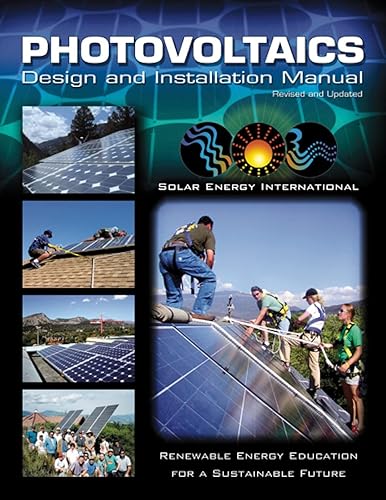 Best for engineering-minded readersPhotovoltaics: Design and Installation ManualView on Amazon
- 3
 Best for beginners going off-gridSolar Power for Beginners: Basics, Design and Installation of a Solar Panel SystemView on Amazon
- 4
 Best for a complete DIY off-grid referenceTHE DIY OFF-GRID SOLAR POWER SYSTEMS BIBLE: Complete Guide to Solar SyView on Amazon
Our Top Picks
Each pick below is ordered by how well it fits a typical homeowner’s need in India: clear explanations, practical installation steps, and enough system design content to help you talk to installers intelligently.
Photovoltaic Design & Installation For Dummies
Photovoltaic Design & Installation For Dummies
Best for: Homeowners who want a clear, structured introduction to how photovoltaic systems are designed and installed.
This is a good starting point if you have never worked with solar before. It walks through the components of a system, how panels, inverters and batteries interact, and how to think through a site before buying equipment. It is written for readers without an engineering background, so it suits a homeowner who plans to hire an installer but wants to ask the right questions.
Key specs:
- Format: paperback in the For Dummies series
- Subject: photovoltaic system design and installation fundamentals
- Audience: beginners and homeowners
Pros:
- Plain-language explanations of system components
- Good overview of planning and site assessment
- Helpful for comparing installer proposals
Cons:
- Less depth on Indian net metering rules and local permits
- Not enough detailed wiring calculations for DIY builders
Bottom line: Best for first-time buyers who want to understand the system before committing to a rooftop project.
Photovoltaics: Design and Installation Manual
Photovoltaics: Design and Installation Manual
Best for: Readers who want technical depth on sizing, electrical design and installation practice.
This manual is aimed at people who want to understand the engineering behind a solar installation. It covers system design principles, component selection and installation practice in more detail than a beginner guide. It suits a homeowner who is comfortable with electrical concepts or who plans to work closely with an engineer or contractor.
Key specs:
- Format: technical manual
- Subject: photovoltaic system design and installation
- Audience: technically inclined homeowners and installers
Pros:
- Strong coverage of system design principles
- Useful reference for sizing and component matching
- Detail that helps you check an installer’s calculations
Cons:
- Can be heavy going for readers without electrical background
- Dense text with limited regional context for Indian installations
Bottom line: A good choice if you want engineering-level understanding and plan to review designs closely.
Solar Power for Beginners: Basics, Design and Installation of a Solar Panel System
Solar Power for Beginners: Basics, Design and Installation of a Solar Panel System. The Complete Guide for Your Off-Grid Home
Best for: Beginners planning a small or off-grid solar setup who want step-by-step basics.
This guide focuses on the fundamentals of solar panel systems, from basic electrical terms to designing and installing a working setup. Its off-grid framing makes it useful for homes without reliable grid supply, and its beginner orientation suits readers who are new to the subject.
Key specs:
- Format: beginner guide
- Subject: basics, design and installation of solar panel systems
- Focus: off-grid home systems
Pros:
- Accessible explanations of core electrical concepts
- Practical installation steps for smaller systems
- Relevant to homes that need backup or off-grid power
Cons:
- Off-grid focus may not match a grid-tied rooftop project with net metering
- Limited depth on large-scale residential system sizing
Bottom line: Suited to readers who want a practical beginner guide, especially if off-grid or backup power is the goal.
THE DIY OFF-GRID SOLAR POWER SYSTEMS BIBLE: Complete Guide to Solar System Design, Sizing, Installation, Batteries, and Maintenance
THE DIY OFF-GRID SOLAR POWER SYSTEMS BIBLE: Complete Guide to Solar System Design, Sizing, Installation, Batteries, and Maintenance
Best for: DIY builders who want one reference covering design, sizing, batteries and long-term maintenance.
As the title suggests, this book covers the full lifecycle of an off-grid system, including battery selection and upkeep, which many beginner titles skip. It is useful for homeowners considering a self-built system who want a single reference to return to during planning and installation.
Key specs:
- Format: comprehensive DIY reference
- Subject: system design, sizing, installation, batteries and maintenance
- Focus: off-grid systems
Pros:
- Covers batteries and maintenance in one place
- Sizing guidance useful for planning load requirements
- Broad scope for DIY-minded homeowners
Cons:
- Off-grid emphasis means less relevance to grid-tied net metering
- Recent publication details should be checked before buying for current standards
Bottom line: Best for DIY readers planning an off-grid home system who want design through maintenance in one book.
Quick Comparison
| Product | Best for | Key feature |
|---|---|---|
| Photovoltaic Design & Installation For Dummies | First-time buyers | Plain-language system overview |
| Photovoltaics: Design and Installation Manual | Engineering-minded readers | Technical design depth |
| Solar Power for Beginners: Basics, Design and Installation of a Solar Panel System | Beginners going off-grid | Step-by-step basics |
| THE DIY OFF-GRID SOLAR POWER SYSTEMS BIBLE | DIY off-grid builders | Design through battery maintenance |
Buying Guide
Choosing a solar reference is easier when you know what to check. The factors below help you match a book to your actual project, whether that is a grid-tied rooftop or an off-grid home.
Grid-tied versus off-grid focus
Decide early whether your home will connect to the utility grid with net metering or run independently with batteries. Many books lean heavily to one side. A grid-tied rooftop project in India typically follows utility interconnection procedures, while off-grid guides focus on battery sizing and load management. Read the table of contents before buying.
Good picks for this: Solar Power for Beginners and THE DIY OFF-GRID SOLAR POWER SYSTEMS BIBLE for off-grid planning; Photovoltaic Design & Installation For Dummies for general grid-tied context.
Level of technical detail
Beginner titles explain concepts in plain language, while manuals go deeper into electrical design. If you only want to understand a quote, a lighter book is enough. If you intend to check load calculations or cable sizing, look for a technical manual.
Good picks for this: Photovoltaics: Design and Installation Manual for detailed design; Photovoltaic Design & Installation For Dummies for an accessible overview.
Sizing and system planning content
A useful book explains how to estimate daily energy use, convert it to system capacity, and account for losses from shading, temperature and inverter efficiency. Look for worked examples rather than only definitions.
Good picks for this: THE DIY OFF-GRID SOLAR POWER SYSTEMS BIBLE and Photovoltaics: Design and Installation Manual.
Battery and storage coverage
If your system includes storage, check how much the book covers battery chemistry, charging, sizing and replacement. Batteries are often where home systems run into trouble, so a book with maintenance guidance adds real value.
Good picks for this: THE DIY OFF-GRID SOLAR POWER SYSTEMS BIBLE for its battery and maintenance focus.
Regional relevance to India
Solar rules, tariffs and permit steps differ by state and utility. Most general references are not written specifically for Indian homes, so treat them as technical background and confirm local requirements with your distribution company and a licensed installer.
Good picks for this: Photovoltaic Design & Installation For Dummies as a starting point, paired with local utility guidance.
Edition and currency
Solar component standards and product types change quickly. Check the publication date and edition, and look for references to current module and inverter technology. An older edition can still teach principles but may describe outdated equipment.
Good picks for this: THE DIY OFF-GRID SOLAR POWER SYSTEMS BIBLE, after confirming the edition date on the listing.
Safety content
Electrical work on rooftop systems carries real risk, including high DC voltages and fall hazards. Prefer books that explain safety practices and when to call a qualified electrician. Reading alone does not make a homeowner qualified to connect a system to the grid.
Good picks for this: Solar Power for Beginners and Photovoltaics: Design and Installation Manual, both of which should be read alongside professional safety advice.
FAQ
Can a book teach me to install a home solar system in India?
A book can teach you the principles of design, sizing and installation, but it cannot replace local permits, utility approval and licensed electrical work. Use books to understand the system and to evaluate proposals, then involve qualified professionals for the actual installation and grid connection.
Which book is best for a complete beginner?
Photovoltaic Design & Installation For Dummies is the most approachable starting point for most readers. It explains components and planning without assuming an engineering background.
Do these books cover net metering in India?
Most general solar books focus on system design and do not cover the details of Indian net metering or state-specific rules. Check with your utility and state regulator for current procedures.
Are off-grid books useful for a grid-connected home?
Partly. Sizing methods, panel and inverter fundamentals, and electrical basics carry over. Battery-focused sections matter less for a grid-tied home without backup storage.
Should I buy a technical manual or a beginner guide?
Choose a beginner guide if you mainly want to understand a proposal. Choose a technical manual if you plan to check calculations, specify components or work closely with an engineer.
Is DIY installation of a rooftop system safe?
Solar installation involves high-voltage DC, roof access and grid connection, which carry real safety and legal risks. Consult a licensed electrician or qualified solar installer before any work on your system, and confirm requirements with your utility.
How do I know if a book is still current?
Check the publication year and edition on the product listing, and look for discussion of current module and inverter types. Pair any book with up-to-date utility and government guidance.
Conclusion
For most homeowners planning solar system installation for home in India, Photovoltaic Design & Installation For Dummies is the easiest place to start. Readers who want engineering depth should consider Photovoltaics: Design and Installation Manual. Those planning an off-grid setup with limited grid access may find Solar Power for Beginners useful, and DIY readers who want design through battery maintenance in one volume may prefer THE DIY OFF-GRID SOLAR POWER SYSTEMS BIBLE. Whichever you choose, use it to understand your options, then rely on licensed installers and your local utility for permits, safety and grid connection.
Sources
- Background on how residential solar systems work, system components and planning considerations (energy.gov)
- Research on photovoltaic system design, performance and installation practices (nrel.gov)
- Technical standards and papers on photovoltaic system design and grid interconnection
Related reading
- Top 6 Solar Panel Systems for Home Installation Options Compared
- Home Solar System Installation: A Step-by-Step Guide for Homeowners
- 9 Best Home Solar Power System Installation Options Compareds (2026)
- The Home Solar Installation Process: Permits, Inspections and Utility Approval
- Solar Panel Home Installation Price: 8 Options Compared (2026)

About Emily Reed
Emily has been writing about home solar for this site, with an eye on clear explanations, honest trade-offs and options for different needs and budgets.