 By Claire Whitaker
Updated November 2026
Net metering in Florida lets a homeowner with a solar system send surplus electricity to the grid and receive credit on the monthly bill for it. This guide walks through how the credits are calculated, what the state and utilities require, how to apply, and where homeowners most often lose money. The rules vary by utility, so you will also see where to check the details for your own service territory.
How Net Metering Works in Florida
A grid-tied solar system produces electricity during daylight, and your home uses what it needs first. Any extra flows through your meter to the utility grid. The meter runs backward during those hours, and the surplus offsets electricity you draw at night or on cloudy days. At the end of each billing period, your utility compares what you exported with what you imported.
In Florida, the standard approach is that excess generation rolls over as a kilowatt-hour credit. If you export more than you import in a month, the surplus carries forward. Credits generally do not pay you cash for the excess each month, and any balance remaining at the end of the year is typically settled by the utility at a rate it sets under its tariff. Read your utility’s tariff sheet for the exact year-end treatment, because this is one of the details that differs between providers.
Key Terms to Understand
- Net metering: Exported kWh offset imported kWh on the same bill.
- Rollover credit: Surplus kWh carried into future billing periods.
- Interconnection agreement: The contract that allows your system to connect to the grid.
- Tariff: The utility’s approved rate and rules document filed with the Florida Public Service Commission.
Who Qualifies for Net Metering
Florida’s net metering rules are set by the Florida Public Service Commission and apply to investor-owned utilities as well as municipal and cooperative systems that follow similar standards. Eligibility depends on a few core factors:
- Your system is interconnected to the grid at your home or business.
- The system is sized within the limits your utility sets, generally tied to your historical energy use.
- The system uses an inverter and equipment certified to the relevant safety standards (UL 1741 is commonly required).
- You have a signed interconnection agreement before the system is energized.
Some utilities impose a cap on total net-metered capacity within their territory. If the cap is reached, new applicants may be placed on a waiting list or moved to a different program. Check this early, because it can change your timeline. For a deeper look at how caps work, see What Is Net Metering Cap? A Homeowner's Guide to Limits (2026).
Step-by-Step: How to Get Credited
Follow these steps in order. Skipping the interconnection step is the most common reason credits never start.
- Size your system. Pull 12 months of bills and total your annual kWh use. A rough design target is annual use divided by your site’s expected yield (kWh per kW installed per year, which varies widely across Florida).
- Confirm your utility’s rules. Look up the net metering tariff for your service territory before buying equipment. Note the system size limit, the interconnection process, and the year-end settlement method.
- Submit the interconnection application. Your installer or you file it with the utility. Include the system specifications, inverter model, and single-line diagram.
- Sign the interconnection agreement. Do not energize the system until the utility approves it.
- Pass inspections. Your local building department inspects the electrical work. Some utilities also require a witness test.
- Install the bidirectional meter. Many utilities install or upgrade the meter after approval. Confirm the meter type with them.
- Verify the first bill. The first few bills should show exported kWh and a credit balance. If they do not, contact the utility promptly.
Documents to Keep
- Signed interconnection agreement
- Permit and inspection approval records
- Equipment spec sheets and inverter certification
- Meter installation confirmation
- Monthly bills for at least the first year
Reading Your Net Metering Bill
A net-metered bill shows more line items than a standard bill. Compare the import and export readings each month. The table below shows what to look for.
| Bill Item | What It Means | What to Check |
|---|---|---|
| kWh imported | Electricity drawn from the grid | Should drop after solar starts |
| kWh exported | Surplus sent to the grid | Should be non-zero on sunny months |
| Net kWh billed | Imported minus exported | Can be zero or negative in strong months |
| Credit carried forward | Unused surplus kWh | Should accumulate in spring and summer |
| Fixed monthly charge | Base service fee | Usually applies regardless of solar |
If your bill still looks high, the cause is often a usage or rate issue rather than a metering error. Why Is My Net Metering Electricity Bill Still High? 6 Causes and Fixes covers the most common ones.
Florida Utility Differences
Each utility publishes its own net metering tariff, and the details matter. Some differences include the maximum system size, how year-end excess is paid, fees for meter upgrades, and whether the program is open to new applicants. The state sets the framework, but you need your specific provider’s rules.
For example, Duke Energy Florida has its own program terms, and homeowners in that territory should review them directly. See Duke Energy Florida Net Metering (2026): Which Option Fits Your Home? for a walkthrough of its options. Homeowners in other territories should check the utility page for their address.
Before you commit to a system size, also confirm whether your utility offers a choice between net metering and another compensation structure. Comparing those options is covered in Net Metering in Florida (2026): Which Option Fits Your Home?.
Common Mistakes
- Oversizing the system. Exceeding the allowed size can delay approval or reduce the credit you receive for exports.
- Energizing before approval. Running the system without a signed agreement can create liability and may cause the utility to reject your application.
- Ignoring the year-end balance. Unused credits may be settled at a rate lower than the retail rate. Plan usage around this where you can.
- Forgetting about shading. Partial shading can cut output more than expected, which changes whether you export at all.
- Assuming the first bill is final. Meter reads and billing cycles can take a month or two to align.
- Skipping the tariff. Rules change. Always confirm current terms with your utility rather than relying on older articles.
Tips for Getting the Most From Net Metering
- Run heavy loads like laundry, dishwashers and pool pumps during peak sun hours to use solar directly.
- Track monthly exports for the first year so you can spot a problem early.
- Ask your installer for a production estimate based on your roof’s orientation and tilt.
- Keep your panels clean and check the inverter display periodically for error codes.
- Consider the year-end cycle when deciding whether to add more panels later.
Recommended Gear
Monitoring hardware helps you verify that exports match what the utility bills. Choose a product that works with your inverter brand.
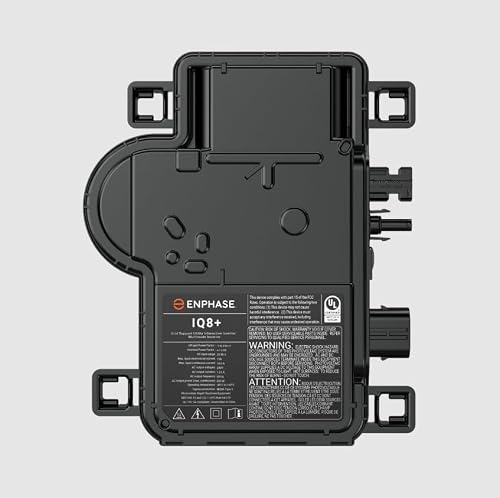
- Enphase Envoy gateway — A monitoring gateway for Enphase microinverter systems that reports production and consumption data, useful for checking export figures against your bill. View on Amazon
- SolarEdge monitoring kit — Communication hardware for SolarEdge inverter systems that logs energy data for comparison with utility readings. View on Amazon
- Digital clamp meter — A basic tool for spot-checking circuit current during commissioning or troubleshooting. View on Amazon
FAQ
Does Florida pay cash for net metering excess?
Monthly excess usually rolls over as credit rather than cash. Any balance remaining at the end of the year is settled according to your utility’s tariff, which sets the rate and method.
Is net metering available in every part of Florida?
Most residential utilities offer it, but availability and terms vary. Some have capacity caps or waiting lists, so check your provider.
How long does approval take?
Timelines depend on the utility’s queue, inspection schedules and whether your application is complete. Submitting full documentation the first time shortens the process.
Do I need a special meter?
Most systems need a bidirectional meter that records imported and exported energy. Your utility will confirm whether one is required for your setup.
Can I add more panels later?
Usually yes, but you may need a new interconnection review if the increase pushes the system past the approved size. Notify the utility before expanding.
Does net metering affect my fixed monthly charge?
The fixed service charge generally still applies. Net metering reduces the energy portion of your bill, not the base connection fee.
Should I hire a professional?
Yes, for the electrical work and interconnection paperwork. A licensed electrician and an experienced solar installer can help you avoid rejected applications. Consult a qualified professional and your utility before making decisions.
Conclusion
Net metering in Florida credits your home for the solar electricity you send to the grid, but the value depends on accurate sizing, approved interconnection and a clear understanding of your utility’s tariff. Follow the steps in order, keep your records, and verify your bills during the first year. Check your provider’s current rules before you buy equipment, because the details can change.
Related reading
Ready to choose one?
About Claire Whitaker
Claire Whitaker is part of our editorial team and reviews and edits our home solar guides, checking product details against manufacturer specifications and owner feedback.