As an Amazon Associate I earn from qualifying purchases. This page may contain affiliate links.
A net metering cap is a limit set by a utility, state regulator or legislature on how much grid-tied solar capacity can receive net metering credits. Once a utility or state reaches its cap, new systems may be paid a lower export rate, required to use a different compensation structure, or placed on a waiting list. This guide explains what a net metering cap is, where caps come from, how to find the one that applies to your home, and how to plan a solar project around it.
Net metering itself is the billing arrangement that credits your home for excess electricity your panels send back to the grid. If you are new to the concept, How Grid-Tied Solar Works: Net Metering, Interconnection and Outages covers the basics before you read on.
Shopping for one? See our guide: Net Metering Solar Program vs Self-Consumption: Which Is Better for Homeowners?.
Net Metering Cap Explained
Net metering caps exist because utilities and regulators worry that large amounts of subsidized rooftop generation could shift costs onto customers who do not have solar. A cap limits the total megawatts of net-metered capacity allowed in a territory. The idea is to let solar grow at a predictable pace while protecting utility rate structures.
Caps show up in several forms:
- Percentage of peak demand. Some states allow net-metered generation up to a set share of a utility’s annual or peak load, often in the single-digit to low-double-digit percent range depending on the state.
- Fixed megawatt or capacity totals. A regulator sets a total MW ceiling for a utility or program, and once that total is filled, new applications wait or move to a different tariff.
- Per-customer or per-system size limits. These are sometimes confused with caps. They restrict how large a single home system can be, often matched to the customer’s historical usage.
- Sunset or transition triggers. Some states end full retail net metering once a threshold is reached and switch new customers to a lower-value export rate.
Caps are set in state law, public utility commission orders or utility tariffs. They change as policy changes, so a number you read in an older article may no longer apply.
How to Find the Cap That Applies to Your Home
Finding your cap takes some digging, but the steps are consistent across most states.
- Identify your utility. Your electric bill names the company that serves your meter. Some areas have multiple utilities or municipal providers with separate rules.
- Search your state’s net metering rules. Look for your state public utility commission or energy office and search “net metering” along with the state name. The DSIRE database maintained by N.C. Clean Energy Technology Center lists state policies and links to primary sources.
- Check the utility’s interconnection or net metering page. Utilities usually post their tariff, current capacity figures and any “program full” notices.
- Ask your installer. Experienced installers track queue status and know whether a cap is about to be reached in your territory.
- Request written confirmation. Before you sign a contract, ask the utility to confirm in writing that capacity is available and which tariff your system will be placed under.
Information to Gather
- Your utility account number and service address
- Your last 12 months of usage (the kWh figures on your bills)
- Proposed system size in kW DC and the expected annual output
- Your inverter and panel model numbers, which the utility will need for interconnection review
What Happens When You Reach a Cap
When a cap is reached, the outcome depends on the rule set. The most common results are:
| Situation | Typical Outcome | What to Check |
|---|---|---|
| Capacity still available | Standard net metering applies | Written capacity confirmation |
| Cap reached, waitlist allowed | Application queued until capacity frees up | Queue position and timeline |
| Cap reached, successor tariff | Exports credited at a lower rate, often time-varying | Export rate schedule and any demand charges |
| Cap reached, no new net metering | New systems use buy-all/sell-all or other arrangements | Whether battery or self-consumption options are offered |
The practical effect is that a system built under a successor tariff usually makes more sense when sized to match daytime household use rather than to offset the whole annual bill. For background on how output and usage interact, see How Rooftop Solar Works: Parts, Connection and What Affects Output.
Planning a Project Around a Cap
Step 1: Estimate Your Annual Usage
Add your twelve monthly kWh totals. A typical US home uses several thousand kWh a year, but your figure is what matters. Use it to size a system that roughly matches your consumption rather than building the largest array your roof can hold.
Step 2: Model Self-Consumption
If your state is moving to a lower export rate, the value of each kWh you send to the grid drops. Estimate how much of your generation you will use while it is produced. Households that are home during the day, or that run appliances on timers, consume more of their own output.
Step 3: Consider Storage
Under reduced export credits, a battery can store midday surplus for evening use. Read Home Solar Batteries: What They Do and What to Ask to understand capacity, round-trip losses and warranty terms before committing.
Step 4: Submit Early and Keep Records
If your territory has a waitlist, the date your interconnection application is complete can determine your place in line. Keep copies of every submission, confirmation email and utility approval letter.
Recommended gear
Several items help you track system output against your net metering arrangement once installed:
- Enphase IQ Envoy is a gateway that reports production and consumption data to a monitoring app, which makes it easier to confirm exports match what your utility bill shows. View on Amazon
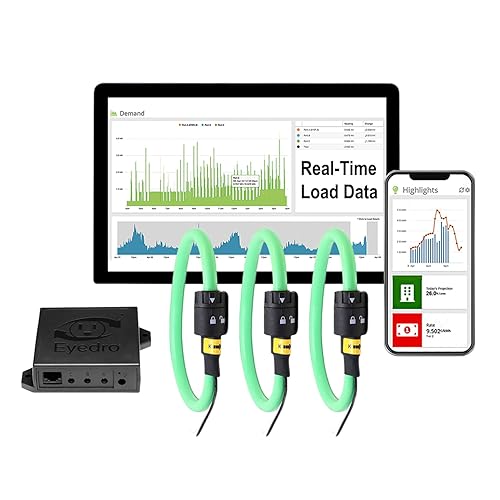
- Emporia Vue 3 is a whole-home energy monitor that clamps to your electrical panel and tracks circuit-level use, useful for estimating self-consumption. View on Amazon
- Kill A Watt P3 meter lets you measure the draw of individual plug-in appliances, helpful when deciding when to run loads during peak solar hours. View on Amazon
Common Mistakes
- Relying on an outdated number. Caps and successor tariffs change. Verify with the utility or regulator on the day you sign.
- Assuming capacity is guaranteed. Installers sometimes quote a timeline before the utility confirms a slot.
- Sizing for the full roof. Oversized systems may not fit a cap or export rule well, and the extra panels can earn little under a low export rate.
- Ignoring the interconnection approval. You generally should not energize a system until the utility approves it, and operating early can create safety and billing problems.
- Skipping the written tariff. Verbal assurances about your rate structure are not enough.
Tips
- Ask whether your utility publishes a monthly or quarterly capacity report.
- Compare the total cost of a smaller system with and without storage using your own usage data.
- Keep your roof plan and shading analysis on file in case the utility requests them during review.
- Check whether your state offers a separate interconnection process for battery-only additions.
Electrical interconnection work involves line-side and panel connections that carry serious shock and fire risk. Hire a licensed electrician and check the utility’s requirements before any connection is made.
FAQ
Is a net metering cap the same as a system size limit?
Not exactly. A cap is a program-level or territory-level ceiling on total net-metered capacity. A size limit restricts how large one home’s system can be, often tied to its past usage. Both can apply at the same time.
Can a cap change after I apply?
Yes. Rules can be amended by regulators or legislatures. Once your application is complete and approved, most jurisdictions grandfather the terms in effect at that time, but confirm this with your utility.
What is a successor tariff?
A successor tariff is the replacement compensation structure used after a net metering program closes or reaches its cap. It often credits exported energy at a lower or time-varying rate.
Does a net metering cap affect my existing system?
Systems already interconnected under net metering usually keep their terms for a set period, but policy can vary by state. Check your interconnection agreement.
Can I add a battery to avoid a cap problem?
A battery can help you use more of your own generation, which matters most when export credits are low. Whether it qualifies for a separate incentive or interconnection path depends on your state and utility.
Who decides my utility’s cap?
Typically the state public utility commission or legislature sets the rule, and the utility administers it. Some municipal and cooperative utilities set their own policies.
Where can I get an official answer?
Your utility’s interconnection department and your state public utility commission are the authoritative sources. Consider consulting a licensed solar installer or energy attorney for contract-specific questions.
Conclusion
A net metering cap limits how much grid-tied solar can be credited in a given territory, and it can change the value of your system dramatically. Find the rule that applies to your utility, get written confirmation of capacity and tariff terms, and size your system to your real usage. Keep records of every step, and verify details with the utility before you commit to an installation.