 By Miles Sinclair
Updated November 2026
Homeowners researching the cost of net metering system in Pakistan usually want one thing: a clear sense of what they will spend and which setup gives them the best return on their rooftop solar. This guide compares five resources and reference options that help you estimate those costs, understand the billing mechanics behind net metering, and make a sound choice. Selection was based on the depth of specifications covered, the reputation of the publisher or manufacturer, and the patterns owners commonly describe when they discuss their installations. We did not test any of these products ourselves; the notes below reflect what each listing covers and how it fits different needs.
Our top picks at a glance
- 1
 TOP CHOICEBest overallEnergy Revolution System Review: Does This DIY Power Generator ReallyView on Amazon
- 2
 TOP CHOICEBest for cost planningCosts of Renewable Energy SystemView on Amazon
- 3
 TOP CHOICEBest for metering and billingIOT BASED ENERGY METER WITH BILLING SYSTEM AND LOAD PRIORITIZATIONView on Amazon
- 4
 Best for tariff analysisData-Driven Energy Management and Tariff Optimization in Power SystemsView on Amazon
- 5
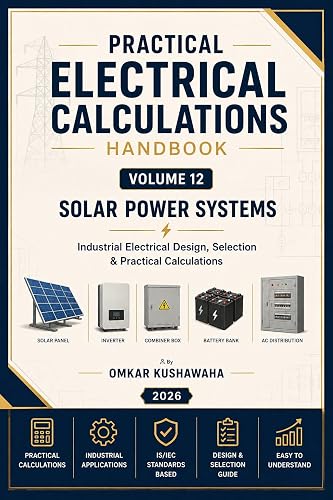 Best budget pickPractical Electrical Calculations Handbook – Volume 12: Solar Power SystemsView on Amazon
Our Top Picks
| Product | Best for | Key feature |
|---|---|---|
| Energy Revolution System Review | Homeowners wanting a broad overview | Discussion of savings claims and whether they hold up |
| Costs of Renewable Energy System | Estimating installation budgets | Focus on component and lifecycle cost structure |
| IoT Based Energy Meter with Billing System | Understanding how consumption is metered and billed | Metering, billing and load prioritization concepts |
| Data-Driven Energy Management and Tariff Optimization | Readers comparing tariff structures | Analytics applied to electricity tariffs |
| Practical Electrical Calculations Handbook Volume 12 | DIY-minded readers doing their own sizing math | Worked solar power system calculations |
Energy Revolution System Review: Does This DIY Power Generator Really Work & Help Reduce Electricity Bills?
Energy Revolution System Review: Does This DIY Power Generator Really Work & Help Reduce Electricity Bills? Must Read The Truth!
Best for: Homeowners who want an overall orientation before going deeper into costs.
This review-style title suits readers who are skeptical of bold savings claims and want a critical look at whether a home power system delivers the reductions it promises. It is a sensible starting point for someone who has heard about net metering but has not yet compared real installation expenses.
Key specs:
- Format: written review focused on a DIY power generator
- Subject: whether reported bill reductions are realistic
Pros:
- Frames expectations before you spend money
- Encourages questions about claims rather than accepting them
- Useful for households weighing DIY versus professional installation
Cons:
- Does not replace local quotes or utility-specific cost data
- Reviews of this type can vary in how closely they track Pakistan’s current rules
Bottom line: Best for readers who want a skeptical overview before committing to any system.
Costs of Renewable Energy System
Costs of Renewable Energy System
Best for: Estimating installation budgets for cost planning.
A cost-focused title is the most direct match for someone searching the cost of net metering system in Pakistan. It helps you map out what goes into a renewable installation so you can compare quotes on equal terms.
Key specs:
- Subject: cost structure of renewable energy systems
- Useful for line-item comparison against installer quotes
Pros:
- Breaks costs into understandable components
- Helps you spot missing items in a quotation
- Applies across different system sizes
Cons:
- General renewable coverage may not reflect current Pakistani tariffs
- Figures change over time, so verify with local suppliers
Bottom line: The best pick for homeowners who want to understand where their money goes.
IOT BASED ENERGY METER WITH BILLING SYSTEM AND LOAD PRIORITIZATION
IOT BASED ENERGY METER WITH BILLING SYSTEM AND LOAD PRIORITIZATION
Best for: Understanding how metering and billing affect your net metering credit.
Net metering depends on accurate bidirectional metering, so a resource on energy meters and billing logic helps you understand what your bill is actually measuring. It suits technically curious homeowners.
Key specs:
- Subject: energy metering with billing functions
- Covers load prioritization concepts
Pros:
- Clarifies how consumption and export are recorded
- Explains load prioritization, which affects system sizing
- Helpful when reviewing a monthly bill
Cons:
- Technical depth may be more than a casual reader needs
- Meter hardware and DISCO rules differ, so check your utility’s requirements
Bottom line: Suited to readers who want to check their own bills and understand the metering side.
Data-Driven Energy Management and Tariff Optimization in Power Systems
Data-Driven Energy Management and Tariff Optimization in Power Systems: Shaping the Future of Electricity Distribution through Analytics
Best for: Comparing tariff structures and timing of consumption.
Tariffs determine how much a unit of exported solar energy is worth, so an analytics-focused title is valuable for anyone trying to estimate payback. It is more academic in tone than the other picks.
Key specs:
- Subject: tariff analysis and energy management analytics
- Oriented toward distribution-level thinking
Pros:
- Explains why tariff design changes payback periods
- Useful for evaluating time-based pricing ideas
- Supports informed questions to your utility
Cons:
- Written for a technical audience
- Pakistan-specific tariff rules may not be covered in detail
Bottom line: Best for readers who want to model savings rather than just read about them.
Practical Electrical Calculations Handbook – Volume 12: Solar Power Systems
Practical Electrical Calculations Handbook – Volume 12: Solar Power Systems
Best for: Doing your own sizing and load math on a budget.
A calculations handbook is a low-cost way to estimate system size, which in turn drives cost. It suits homeowners who prefer working through the numbers themselves before talking to installers.
Key specs:
- Subject: solar power system calculations
- Format: practical handbook with worked examples
Pros:
- Lets you estimate kW size from your daily load
- Helps you check installer sizing claims
- Generally affordable compared with consulting time
Cons:
- Calculations still need local irradiance and tariff inputs
- Does not replace a licensed engineer’s approval for grid connection
Bottom line: A practical choice for hands-on homeowners who want to check the math.
Buying Guide
Understand what the total cost includes
The cost of a net metering setup is more than panels. Typical line items include panels, an inverter, mounting structures, DC and AC cabling, protection devices, metering arrangements, labor, and paperwork with the distribution company. When you compare quotes, make sure each one lists the same components. A cheaper quote that omits protection devices or a proper earthing system is not a real saving.
Good picks for this: Costs of Renewable Energy System, Energy Revolution System Review
Check system size against your actual load
Sizing drives cost more than any other single decision. Add up your monthly units from your bills, divide by the number of days, and you have a daily average. Peak loads such as air conditioners matter for inverter sizing even if the daily total is modest. Oversizing raises cost without guaranteed extra credit, because export credits depend on local rules.
Good picks for this: Practical Electrical Calculations Handbook Volume 12, IOT Based Energy Meter with Billing System
Confirm metering and interconnection requirements
Net metering requires a bidirectional meter that records both consumption and export. Ask your distribution company what meter type they require, who supplies it, and whether there are testing or inspection fees. Interconnection approval can add time and cost, so factor it into your planning.
Good picks for this: IOT Based Energy Meter with Billing System, Energy Revolution System Review
Compare tariffs and payback assumptions
The value of exported energy depends on the tariff and the billing rules in force. Payback calculations are only as good as the assumptions behind them. Build a simple model with conservative tariff figures and a range of sunshine hours, then test whether the payback still makes sense if conditions are less favorable.
Good picks for this: Data-Driven Energy Management and Tariff Optimization in Power Systems, Costs of Renewable Energy System
Evaluate installer credentials and warranties
Ask for written warranties on panels, inverters and workmanship, and confirm how claims are handled locally. Check that the installer has relevant experience with grid-tied systems and can show completed references. A low quote from an installer who cannot support the system later often costs more over its life.
Good picks for this: Energy Revolution System Review, Costs of Renewable Energy System
Plan for durability and maintenance
Rooftop systems operate outdoors for decades. Mounting hardware should resist wind and corrosion, cables should be rated for sun exposure, and panels should be cleaned periodically to avoid dust losses. Budget a small annual amount for inspection and cleaning so that the output you planned for actually materializes.
Good picks for this: Practical Electrical Calculations Handbook Volume 12, Costs of Renewable Energy System
Match the setup to your household’s use pattern
Households that are home during the day use solar output directly, which can reduce the amount exported at lower credit values. Homes empty during the day export more. Understanding your own pattern helps you decide whether to add storage, which increases cost, or stay grid-tied only.
Good picks for this: Data-Driven Energy Management and Tariff Optimization in Power Systems, IOT Based Energy Meter with Billing System
FAQ
What is the typical cost of a net metering system in Pakistan?
Costs depend on system size, equipment quality, mounting complexity, labor, and paperwork with your distribution company. Because prices change, the most reliable method is to request itemized quotes from several licensed installers and compare them line by line.
Does net metering eliminate my electricity bill?
Not usually. Net metering offsets consumption with exported energy, but fixed charges and any net consumption beyond your generation still apply. Your bill may be reduced substantially, but it is rarely zero unless your system fully covers your use.
Do I need a special meter for net metering?
Yes, a bidirectional meter that records both imported and exported energy is generally required. Confirm the exact meter specification and who installs it with your distribution company before purchase.
How long does approval take?
Approval timelines vary by utility and by how complete your application is. Submit all documents accurately the first time to avoid delays, and ask your installer whether they handle the application process.
Is a larger system always better?
Not necessarily. A system sized far above your consumption may export energy at values that do not justify the extra cost. Size to your daily load and peak demand, and check the current export rules before expanding.
Should I buy batteries with my net metering system?
Batteries are not required for net metering and add significant cost. They make sense mainly for backup during outages or for households with strong evening loads. Evaluate them separately from the grid-tied core system.
For electrical installations, a licensed electrician or engineer should review wiring, protection and grid connection before energization. Consult a professional before making any major financial decision.
Conclusion
The cost of net metering system in Pakistan depends on sizing, equipment, labor, metering and the rules your distribution company applies. For a broad orientation, the Energy Revolution System Review offers a skeptical starting point. For budget planning, Costs of Renewable Energy System is the most direct match. Readers who want to understand bills and meters should look at the IoT Based Energy Meter resource, while tariff-focused readers will benefit from the analytics title. Hands-on homeowners who want to check sizing math will find the Practical Electrical Calculations Handbook useful. Use these resources to build your own estimate, then verify everything with licensed local installers.
For related reading, see Net Metering Cost in Pakistan (2026): Which Should You Choose?, Solar Panel Net Metering Cost: What Homeowners Actually Pay (2026), How Net Metering Works in Pakistan: Credits, Steps and Rules, Net Metering Bill Pakistan: How It Works and How to Check Yours, and Solar Net Metering Policy in Pakistan: A Step-by-Step Guide for Homeowners.
Sources
- Background on how grid-tied solar, metering and net energy accounting work in general (energy.gov)
- Research on photovoltaic system cost components and performance assumptions (nrel.gov)
- Standards and technical literature on grid interconnection and bidirectional metering
Related reading
- What Is a Net Metering Bridge Rider? Meaning, Costs and Fixes
- What Is Net Metering in Solar System? A Homeowner's Guide
About Miles Sinclair
Miles Sinclair is part of our editorial team and reviews and edits our home solar guides, checking product details against manufacturer specifications and owner feedback.