 By Ethan Brooks
Updated November 2026
Homeowners looking into a net metering solar PV system want clear, reliable information before they commit to panels, a utility agreement or an inverter. This list compares three well-regarded technical references covering grid-connected rooftop solar, electrical calculations and PV system design. Each was chosen for the depth of its subject matter, its relevance to residential installations, and the consistency of owner and reader feedback about how useful it is in practice. We have not tested these books; the comparison is based on their listed scope, publisher reputation and common reader feedback.
Our top picks at a glance
- 1
 TOP CHOICEBest overallInterconnection and Inspection of Grid Connected Rooftop Solar Photovoltaic SystemsView on Amazon
- 2
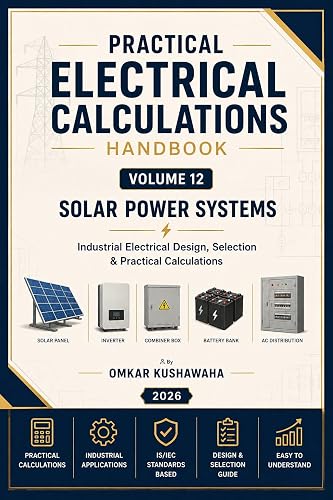 Best for electrical calculationsPractical Electrical Calculations Handbook – Volume 12: Solar Power SystemsView on Amazon
- 3
 Best for system design depthPhotovoltaic System Design: Procedures, Tools and ApplicationsView on Amazon
Our Top Picks
| Product | Best for | Key feature |
|---|---|---|
| Interconnection and Inspection of Grid Connected Rooftop Solar Photovoltaic Systems | Understanding utility interconnection and net metering paperwork | Focus on grid connection and inspection requirements |
| Practical Electrical Calculations Handbook – Volume 12: Solar Power Systems | Checking wire sizing, voltage drop and array math | Worked electrical calculations for solar power systems |
| Photovoltaic System Design: Procedures, Tools and Applications | Planning a full PV design from site survey to layout | Step-by-step design procedures and design tools |
Interconnection and Inspection of Grid Connected Rooftop Solar Photovoltaic Systems
Interconnection and Inspection of Grid Connected Rooftop Solar Photovoltaic Systems
Best for: Understanding utility interconnection and net metering paperwork
This book suits homeowners and installers who need to understand how a rooftop system is connected to the utility grid and what inspectors look for. Because net metering depends on a clean, approved interconnection, the topic is central to getting credited for the power you export.
Key specs:
- Focus on grid-connected rooftop solar photovoltaic systems
- Covers interconnection and inspection requirements
Pros:
- Directly addresses the step between installing panels and receiving net metering credit
- Useful vocabulary for talking with utility engineers and inspectors
- Focused scope that avoids unrelated material
Cons:
- Interconnection rules vary by utility and state, so the book cannot replace your local requirements
- Less useful for hands-on wiring calculations
Bottom line: The best starting point for homeowners who want to understand the approval and inspection side of a net metering solar PV system before they sign an interconnection agreement.
Practical Electrical Calculations Handbook – Volume 12: Solar Power Systems
Practical Electrical Calculations Handbook – Volume 12: Solar Power Systems
Best for: Checking wire sizing, voltage drop and array math
This handbook is aimed at readers who want to verify the numbers behind a system: string voltages, conductor sizing, and the electrical loads a PV array places on inverters and panels. It suits DIY builders and electricians who want worked examples rather than general theory.
Key specs:
- Volume 12 of a practical calculations series
- Focused on solar power systems
Pros:
- Worked calculation examples that are easy to follow
- Helps check whether an installer’s design math holds up
- Practical focus suited to field work
Cons:
- Assumes some electrical background
- Calculations must still be checked against current local electrical code
Bottom line: A good pick for readers who want to double-check the electrical math behind their net metering solar PV system, especially if they plan to do some of the work themselves.
Photovoltaic System Design: Procedures, Tools and Applications
Photovoltaic System Design: Procedures, Tools and Applications
Best for: Planning a full PV design from site survey to layout
This title is geared toward readers who want a complete design process: assessing the site, sizing the array, selecting components and laying out the system. It is a strong fit for anyone who wants to understand how the pieces of a grid-tied system fit together before talking to installers.
Key specs:
- Covers PV system design procedures and tools
- Includes applications across system types
Pros:
- Broad coverage of the full design workflow
- Helps readers evaluate installer proposals more critically
- Useful for understanding how design choices affect metered output
Cons:
- Broader and less focused on residential net metering rules specifically
- Some readers may find it more technical than they need
Bottom line: Choose this if you want the widest view of PV design and are comfortable with engineering-level material.
Buying Guide
Scope: rules versus calculations versus design
Decide first what you need to learn. Interconnection and inspection guides explain how your system connects to the grid and gets approved. Calculation handbooks help you verify numbers. Design texts walk through the whole build. Matching the book to your question saves time.
Good picks for this: Interconnection and Inspection of Grid Connected Rooftop Solar Photovoltaic Systems; Photovoltaic System Design: Procedures, Tools and Applications
Residential relevance
Check whether the material addresses rooftop, grid-tied homes or large commercial and utility-scale projects. Residential net metering has its own paperwork and metering arrangements, so a title aimed at homes is usually more useful.
Good picks for this: Interconnection and Inspection of Grid Connected Rooftop Solar Photovoltaic Systems
Depth of worked examples
Look for worked examples with numbers you can follow. Practical examples make it easier to check voltage drop, string sizing and array output against your own site.
Good picks for this: Practical Electrical Calculations Handbook – Volume 12: Solar Power Systems
Level of technical background
Some references assume electrical training. If you are new to the subject, start with an overview and move to engineering texts later. A mismatch in level is the most common reason readers abandon a technical book.
Good picks for this: Interconnection and Inspection of Grid Connected Rooftop Solar Photovoltaic Systems; Practical Electrical Calculations Handbook – Volume 12: Solar Power Systems
Currency of the information
Electrical codes, utility tariffs and net metering policies change. Check the publication year and whether the book references current standards. Always confirm details with your utility and local inspector.
Good picks for this: Interconnection and Inspection of Grid Connected Rooftop Solar Photovoltaic Systems
Coverage of system design steps
If you plan to size an array yourself, look for a text that covers site assessment, array layout and component selection in sequence. A design-focused title gives you a checklist to compare against installer proposals.
Good picks for this: Photovoltaic System Design: Procedures, Tools and Applications
Use as a reference
Books you will return to should have clear sections and an index. Handbooks in particular are most useful when you can find a formula quickly during an installation or a permit review.
Good picks for this: Practical Electrical Calculations Handbook – Volume 12: Solar Power Systems; Photovoltaic System Design: Procedures, Tools and Applications
FAQ
What is a net metering solar PV system?
A net metering solar PV system is a grid-connected installation in which your panels power your home first, and any excess electricity flows to the utility grid. Your meter records both directions, and the utility credits you for the surplus according to its net metering tariff. Our overview of What Is Net Metering in Solar System? A Homeowner’s Guide explains the basics in more detail.
Do I need a book like this if my installer handles everything?
Not necessarily, but reading a reference helps you understand proposals, ask better questions and spot errors. Even a basic understanding of interconnection and sizing can prevent costly misunderstandings about credits and system output.
Which book is best for understanding utility approval?
The interconnection and inspection title is the most directly relevant to utility approval and inspection requirements. Still, your utility’s own interconnection guide is the final authority for your service area.
Are these books enough to design my own system?
They can give you the methods and checks, but designing a system that meets electrical code usually requires a licensed professional and a permit. Use these references to verify work rather than as a complete substitute for licensed design review.
Do the calculation examples apply to any state?
The math is broadly universal, but code requirements such as conductor ampacity rules, grounding and rapid shutdown vary by jurisdiction. Always confirm against the code adopted where you live.
How do net metering rules affect system design?
Net metering rules can determine how large your system should be relative to your consumption, and whether excess generation is credited at retail or a lower rate. Our guide to Solar PV Net Metering Explained: How It Works and Credits Your Bill covers how credits are calculated.
Should I read the design book or the calculations handbook first?
Start with the design text to understand the overall process, then use the calculations handbook to check specific numbers. Reading the interconnection title alongside both gives you the regulatory side as well.
Conclusion
For most homeowners, the interconnection and inspection title is the best overall starting point because it addresses the step where net metering is actually approved. Readers who want to verify the electrical math should choose the calculations handbook, while those planning a full design will find the PV system design text most useful. Confirm all rules and code requirements with your utility and local authority, and consult a licensed installer or electrician before making any electrical changes to your home.
For more on how credits are applied, read Solar System Net Metering: How It Works and What Homeowners Should Know and What Is a Net Metering Credit? How It Works for Home Solar.
Sources
- Federal background on solar energy, grid-connected systems and net metering basics (energy.gov)
- Research on photovoltaic system performance, design and grid integration (nrel.gov)
- Standards and technical literature on grid interconnection of distributed energy resources
Related reading
- What Is Net Metering in Solar System? A Homeowner's Guide
- Solar System Without Net Metering: A Step-by-Step Guide for Homeowners
- Solar System Net Metering: How It Works and What Homeowners Should Know
- Solar Rooftop Net Metering System: How It Works and How to Get Credited
- Solar Rooftop Net Metering System PDF vs Net Billing: Which Should You Choose?
- Solar Power Net Metering System: How It Works and How to Get Credited
- Solar PV Net Metering Schematic Diagram: How to Read and Draw One
- Solar PV Net Metering Explained: How It Works and Credits Your Bill
About Ethan Brooks
Ethan Brooks is part of our editorial team and reviews and edits our home solar guides, checking product details against manufacturer specifications and owner feedback.