As an Amazon Associate I earn from qualifying purchases. This page may contain affiliate links.
Dominion Energy net metering lets a home solar system send extra electricity to the grid and receive bill credits for it, which makes it the default choice for most grid-tied homes. A battery-backup system, by contrast, stores power on site so the house keeps running during outages and can shift usage away from peak hours. If your main goal is lowering the monthly bill, dominion energy net metering on a grid-tied system usually wins. If you live in an area with frequent outages or you need power during storms, adding batteries is the better path.
| Criterion | Net Metering (Grid-Tied Only) | Battery Backup Add-On |
|---|---|---|
| Main purpose | Bill credits for exported power | Stored power for outages and time-of-use shifting |
| Works during a grid outage | No, unless paired with storage | Yes, for loads on the backup circuit |
| Equipment complexity | Panels, inverter, meter setup | Adds battery, charge controller and more wiring |
| Effect on monthly bill | Direct credit for exported kWh | Savings depend on rate plan and usage timing |
| Maintenance | Minimal, mostly panel cleaning | Battery health checks and firmware updates |
| Best fit | Stable grid, bill-focused homeowners | Outage-prone areas, time-of-use rate customers |
How Dominion Energy Net Metering Works
Under net metering, your system generates electricity during the day. Power your home uses goes directly to your loads first. Any surplus flows back to the grid through your utility meter. Your meter then records both the power you draw from the grid and the power you export, and the net difference is what you pay for or get credited. Before connecting, you will need an interconnection agreement with the utility. For a full walkthrough of that process, read How Grid-Tied Solar Works: Net Metering, Interconnection and Outages.
Keep in mind that net metering rules, export credit rates and system size limits can change, so confirm the current tariff with Dominion Energy before you design your system.
Winner for Bill Savings: Net Metering
For homeowners whose main concern is the monthly bill, net metering is the stronger choice. Every kilowatt-hour your panels export during the day offsets electricity you would otherwise buy at night or on cloudy days. A grid-tied array sized to cover most of your annual consumption gives you the highest return per dollar invested, because you are not paying for battery capacity that sits idle most nights.
Battery systems can save money too, but the savings depend on your rate structure. If your electric plan has steep peak-hour charges, a battery can discharge during those hours and reduce what you buy. If your rate is flat, the battery mainly stores solar energy you could have exported for credit, so the financial case weakens.
Winner for Outage Protection: Battery Backup
Standard grid-tied systems shut down during a grid outage. This is a safety requirement: inverters must stop feeding power into lines that utility crews may be repairing. Even on a sunny day, a net-metered system without storage will not power your refrigerator when the grid is down.
A battery backup system, or a hybrid inverter with storage, can keep selected circuits running. You decide which loads go on the backup panel, such as the refrigerator, well pump, internet equipment and a few lights. Plan your critical load total carefully, because battery capacity runs out faster than most people expect. Calculate watt-hours needed per day for those circuits, then size the battery to cover at least one to two days of outages if that matters to you.
Winner for Equipment Simplicity: Net Metering
A net-metered system has fewer components. You need panels, an inverter, racking, wiring and a bidirectional meter. There is no battery bank to size, no battery management system to monitor and no extra enclosure to protect from heat. Installation is usually faster, and commissioning paperwork is more routine.
Batteries add useful capability but also add failure points and maintenance. Lithium batteries need proper temperature conditions, and you should check manufacturer warranties carefully, especially cycle limits and throughput guarantees.
Winner for Long-Term Maintenance: Net Metering
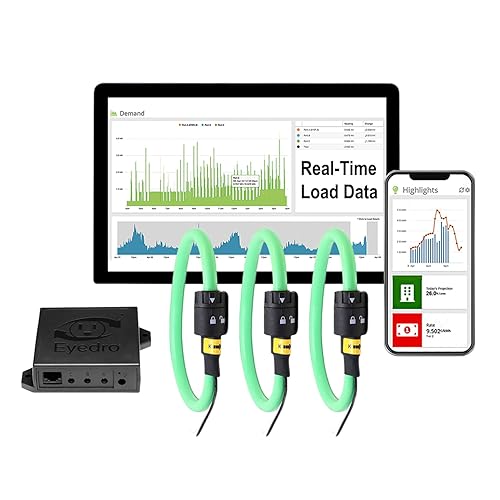
Once a grid-tied system is commissioned, upkeep is light. Clean the panels a few times a year if dust or pollen builds up, check inverter error logs, and make sure the monitoring app reports normal production. Battery systems require periodic checks of state of health, firmware updates and sometimes replacement of modules after many years. If you want to track performance on either setup, review options in Home Solar Monitoring: Inverter Apps and Whole-Home Energy Monitors.
Winner for Flexibility Under Future Rate Changes: Battery Backup
Utilities periodically revise export credit values and time-of-use schedules. A battery gives you the option to change how you use stored energy without changing your panels. If rates rise during evening hours, you can shift discharge to those windows. A net-metered system depends more heavily on the tariff in effect when it was approved, so review the rules before committing.
Which Should You Choose?
- Choose dominion energy net metering with a grid-tied system if your priority is lowering your electric bill and your outages are rare and short.
- Choose a battery backup add-on if you need power during outages, live where storms often cut service, or rely on medical or work equipment at home.
- Choose net metering first and add batteries later if your budget is limited but you want backup capability down the road. Confirm that your inverter is compatible with future storage.
- Choose battery backup if you are on a time-of-use plan with large evening peak charges and want to discharge stored energy during those hours.
- Choose net metering alone if your roof has limited space and you want to maximize exported kilowatt-hours per panel.
Products to Consider
For a grid-tied setup, look at a string or microinverter system rated for your roof orientation. For battery backup, consider a hybrid inverter paired with a lithium battery module. Check that both are listed for grid-tied use with your utility.
Grid-tied option: Enphase IQ8 Microinverter View on Amazon
Battery backup option: Tesla Powerwall 3 View on Amazon
Always confirm compatibility with a licensed installer and Dominion Energy’s interconnection requirements before purchasing equipment.
FAQ
Does dominion energy net metering work during a power outage?
Not by itself. Grid-tied systems shut down during outages for safety. You need a battery or other storage with an appropriate backup-capable inverter to keep power running in your home.
How is net metering different from net billing?
Net metering typically credits exported energy at or near the retail rate, while net billing credits it at a lower avoided-cost rate. Check Dominion Energy’s current tariff to see which applies to your account.
Can I add a battery later to a net-metered system?
Often yes, if the inverter supports storage or you choose a compatible hybrid model. Ask your installer whether your existing equipment can be upgraded and whether your interconnection agreement needs updating.
How large should my system be for net metering?
Many homeowners size systems to offset most of their annual usage, based on twelve months of bills. Utility limits on system size and roof space may also apply. A licensed installer can run production estimates for your address.
Do I need a professional to install a grid-tied system?
Yes, in most cases. Grid connection involves electrical code requirements, utility approval and permits. Consult a licensed electrician or solar installer to ensure safe, compliant work.
Conclusion
Dominion energy net metering is the most practical route for homeowners who want to cut their electric bill with a grid-tied system and minimal upkeep. Battery backup becomes the better choice when outage protection or time-of-use savings matter more than simplicity. Many households start with net metering and add storage when their needs or budget change. Review your bills, outage history and rate plan, then speak with a licensed installer before committing.