 By Claire Whitaker
Updated November 2026
A solar panel installation cost calculator India tool helps you estimate what a rooftop system will likely cost before you talk to installers. You will work out the system size your home needs, the components involved, and the cost factors that move the final number. Use the steps below to build your own estimate and compare quotes with confidence.
Step 1: Work Out Your Monthly Electricity Use
Start with your electricity bill. Add up the units (kWh) you consumed over the last 12 months and divide by 12 to get your average monthly usage. Most calculators ask for this figure first, because system size is driven by how much energy you need to offset.
Shopping for one? See our guide: 3 Best What's the Average Cost of Solar Panel Home Installations (2026): Our Picks.
If you only have monthly bills, total the units for each month and divide by the number of months you have data for. Seasonal spikes from air conditioning or water heating matter, so do not rely on a single low-usage month.
Step 2: Convert Usage Into a System Size
A common rule of thumb in India is that a rooftop system produces roughly 4 to 5 units per kW per day, depending on your location, orientation and shading. To estimate system size, divide your daily usage by that yield. For example, a home using 300 units a month uses about 10 units a day, which points to a system in the range of 2 to 2.5 kW.
Most calculators also let you enter your roof area. A 1 kW system typically needs about 80 to 100 square feet of unshaded roof, so confirm that you have enough space before sizing up.
Step 3: Account for the Main Cost Drivers
Once you have a system size, the calculator applies cost factors. These are the ones that usually matter most:
- Panel type and efficiency: Higher-efficiency panels cost more per watt but need less roof space.
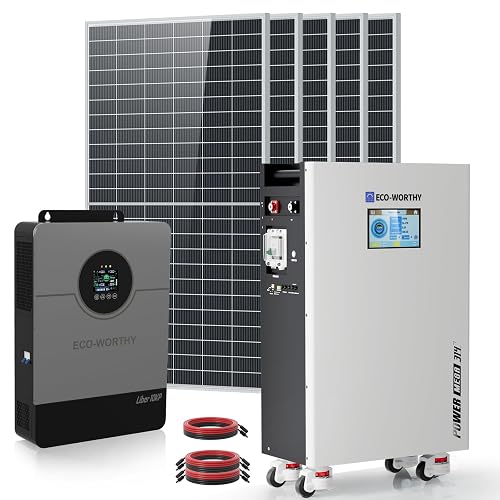
- Inverter type: String inverters, micro-inverters and hybrid inverters differ in price and in whether they support battery backup.
- Mounting structure: Rooftop type (RCC, tin shed, tile) affects the mounting hardware needed.
- Battery storage: Adding batteries significantly raises the total, so model grid-tied and battery systems separately.
- Subsidies and net metering: Central and state schemes can reduce your net outlay, and net metering affects how much you save on bills.
Step 4: Compare Your Estimate With Real Quotes
A calculator gives you a planning figure, not a binding price. Get at least three written quotes from licensed installers and check that each one lists the same system size, panel and inverter brands, warranty terms and installation scope. Quotes that differ widely often use different components, so line them up before deciding.
| Input | What to enter | Why it matters |
|---|---|---|
| Monthly units used | Average from 12 months of bills | Sets the target system size |
| Roof area | Unshaded square feet | Limits how large the system can be |
| Roof type | RCC, tin shed or tile | Changes mounting costs |
| Battery needed? | Yes or no | Adds significant cost |
Common Mistakes to Avoid
- Using peak-season bills only, which overstates the system you need.
- Ignoring shading from trees, water tanks or neighboring buildings.
- Comparing quotes with different panel or inverter brands as if they were equal.
- Forgetting ongoing costs such as cleaning, insurance and inverter replacement.
- Treating the calculator result as a final price before a site survey.
Recommended Gear
A basic clamp meter helps you check your household load patterns before sizing a system, since it shows the actual current drawn by appliances.
A solar panel cleaning kit with an extendable brush keeps the modules clear of dust, which owners often report is important in dry Indian climates.
FAQ
Is a solar panel installation cost calculator India tool accurate?
It gives a useful estimate for planning, but final figures depend on a site survey, roof condition and the installer’s component choices. Treat the result as a starting point.
How much roof space do I need for a home system?
Roughly 80 to 100 square feet of unshaded roof per kW is a common planning figure. Confirm the exact requirement with your installer.
Do I need a battery with a grid-tied system?
No. A grid-tied system without batteries exports surplus power to the grid where net metering applies. Batteries add backup power but raise the total cost. Consult a licensed electrician or installer before making a decision.
Conclusion
A solar panel installation cost calculator India tool works best when you feed it accurate usage data, roof details and clear battery needs. Use the estimate to set a realistic budget range, then compare written quotes line by line. Confirm all details with a licensed installer before you sign.
Related reading
- Cost for Solar Panel Installation for Home in India?
- Solar Panel Removal and Installation Cost: What Homeowners Should Plan For
- Solar Panel Installation Labor Cost: What Drives It and How to Estimate It
- How to Estimate Solar Panel Installation Cost: A Homeowner's Step-by-Step Guide
- Home Solar Panels Installation Cost: A Practical Guide (2026)
Ready to choose one?
About Claire Whitaker
Claire Whitaker is part of our editorial team and reviews and edits our home solar guides, checking product details against manufacturer specifications and owner feedback.