By Claire Whitaker
Updated November 2026
Homeowners weighing solar panel cost vs return usually want one thing: a clear sense of which setups earn back their money and which ones simply look good on paper. This list compares seven solar panel products and kits, judged on the factors that drive payback: panel wattage and efficiency, whether the system is built for a whole house or a single load, storage needs, expandability, and how well the parts are documented. The picks are based on manufacturer specifications, brand reputation and the patterns owners tend to report, not on hands-on testing. Read them as a way to frame your own math, not as a promise of savings.
Our top picks at a glance
- 1
 TOP CHOICEBest overallWhole House System 10KW Off-Grid KitView on Amazon
- 2
 TOP CHOICEBest for high-output residential arraysSUNGOLDPOWER 6x590W Bifacial KitView on Amazon
- 3
 TOP CHOICEBest for portable power stationsN-Type 16BB 200W Portable Solar PanelView on Amazon
- 4
 Best for small backup loads200W Portable Solar Panel with ETFE FilmView on Amazon
- 5
 Best for RV and rooftop add-onsN-Type 16BB 400W Bifacial Solar PanelView on Amazon
- 6
 Best budget pickMPPT Solar Controller 20W Maintainer KitView on Amazon
- 7
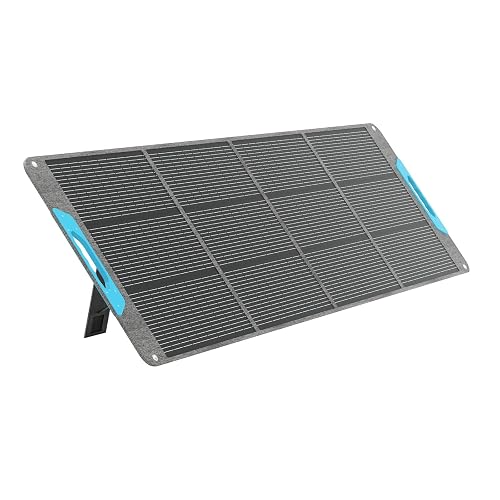 Best foldable optionN-Type 200W Foldable Solar PanelView on Amazon
Our Top Picks
Quick Comparison
| Product | Best for | Key feature |
|---|---|---|
| Whole House System 10KW Off-Grid Kit | Whole-home off-grid backup | Split-phase inverter with 16 kWh storage |
| SUNGOLDPOWER 6x590W Bifacial Kit | Larger residential arrays | Bifacial N-type cells with 16BB layout |
| N-Type 16BB 200W Portable Solar Panel | Portable power stations | IP68 waterproof rating |
| 200W Portable Solar Panel with ETFE Film | Small backup loads | QC3.0 and Type-C output |
| N-Type 16BB 400W Bifacial Solar Panel | RV and rooftop add-ons | Dual-module anti-shade design |
| MPPT Solar Controller 20W Maintainer Kit | Battery maintenance | IP67 waterproof controller |
| N-Type 200W Foldable Solar Panel | Camping and off-grid trips | Built-in kickstand and USB outputs |
Whole House System 10KW Off-Grid Kit
ECO WORTHY 10000W Output Complete Off-Grid Solar Panel Kit for Home | Whole House System:10KW 120V/240V Split Phase Solar Inverter| 48V 314Ah 16kWh High Capacity Energy Storage| 2950W Solar Panel
Best for: Whole-home off-grid backup
This is the most complete system on the list, aimed at homeowners who want to run most household circuits without a utility connection. It suits properties where grid extension is expensive or where outage resilience matters more than the lowest upfront footprint.
Key specs (per listing):
- 10 kW inverter output, 120V/240V split phase
- 48V 314Ah storage, roughly 16 kWh
- Panel array rated around 2950W
Pros
- Covers whole-home loads when properly sized
- Storage and inverter sold as one matched package
- Scales to heavier daily consumption than portable kits
Cons
- Installation typically requires a licensed electrician and permits
- Payback depends heavily on your existing utility rate and net metering rules
Bottom line: Best for homeowners planning a true off-grid or backup-first setup who can handle professional installation.
SUNGOLDPOWER 6x590W Bifacial Kit
SUNGOLDPOWER UL61730 N-Type 6PCS 590W Bifacial Solar Panels,16BB High Efficiency Monocrystalline Solar Panel for Energy Storage,Charging Station, Household,On/Off Grid Solar System (6x590W Bifacial)
Best for: Larger residential arrays
Six high-wattage bifacial panels make this a practical choice for roof or ground mounts where you want maximum generation per square foot. It fits homeowners sizing a grid-tied or hybrid system around their annual kilowatt-hour use.
Key specs (per listing):
- 6 panels rated 590W each, about 3,540W total
- 16BB N-type monocrystalline cells
- UL61730 listed
Pros
- High wattage per panel reduces mounting hardware count
- Bifacial design can add output from reflected light on suitable surfaces
- Listed to the UL61730 safety standard
Cons
- Panels are large and heavy, so roof load and mounting need checking
- Requires an inverter and possibly a battery, which are sold separately
Bottom line: A strong fit for homeowners building a sized residential array who will pair it with a properly rated inverter.
N-Type 16BB 200W Portable Solar Panel
N-Type 16BB 200W Portable Solar Panel for EF/Jackery/Bluetti/Anker Power Station Foldable Solar Panel 25.5% High Efficiency IP68 Waterproof for Outdoor Trip RV Camping Blackout Off Grid
Best for: Portable power stations
This foldable panel is built to charge portable power stations from the sun during camping, emergencies or extended trips. It is most useful as a supplement to a home backup station rather than a primary energy source.
Key specs (per listing):
- 200W rated output
- N-type 16BB cells with stated 25.5% efficiency
- IP68 waterproof rating
Pros
- Compatible with many common power station brands
- Waterproof rating suits outdoor placement
- Portable, so you can reposition for sun angle
Cons
- Output varies with weather and angle, so realistic daily yield is lower than the rating
- Not a substitute for a fixed residential system in terms of return
Bottom line: Good for homeowners who want backup charging on a budget and accept modest, variable returns.
200W Portable Solar Panel with ETFE Film
200W Portable Solar Panel for Power Station, 24% High Efficiency ETFE Foldable Solar Panel Charger, QC3.0, Type-C 60W, MC4 Output, IP65 Waterproof, for Outdoor Camping, RV, Emergency Power Supply
Best for: Small backup loads
A lightweight 200W panel with USB-C and MC4 outputs suits people who want to keep phones, lights, a small fridge or medical devices running during short outages. Its value lies in convenience rather than long-term savings.
Key specs (per listing):
- 200W rated output
- ETFE surface with IP65 rating
- QC3.0 and Type-C 60W output, MC4 connector
Pros
- Multiple output types for direct device charging
- IP65 rating handles light rain and dust
- Works with standard MC4-equipped power stations
Cons
- Limited capacity for whole-appliance backup without storage
- Owners often note that angle adjustment matters for output
Bottom line: Ideal for homeowners wanting basic outage coverage for small loads rather than measurable bill savings.
N-Type 16BB 400W Bifacial Solar Panel
N-Type 16BB 400W Bifacial Solar Panel, 2Pcs 200 Watt Solar Panel for 12V/24V Systems, 25.6% High Efficiency, Dual-Module Parallel Anti-Shade Design, for RV Van Marine Home Rooftop Off-Grid
Best for: RV and rooftop add-ons
Two 200W bifacial modules wired for 12V or 24V systems make this a flexible option for RVs, boats, sheds and small off-grid rooftops. It is better suited to supplementing an existing battery bank than to carrying a full house.
Key specs (per listing):
- 400W total, two 200W panels
- 12V/24V system compatibility
- Stated 25.6% efficiency, 16BB cells
Pros
- Dual-module design limits losses when one panel is shaded
- Works across two common low-voltage system types
- Bifacial construction adds some rear-side yield
Cons
- Requires a compatible charge controller and battery, sold separately
- Output is modest for household-scale energy needs
Bottom line: A sensible add-on for homeowners with a shed, workshop or RV who want low-voltage charging.
MPPT Solar Controller 20W Maintainer Kit
MPPT Solar Controller IP67 Waterproof Adjustable Mount Bracket for Boat Car RV Motorcycle Marine Automotive Solar Panel Kit 20W 12V Solar Battery Charger Trickle Maintainer
Best for: Battery maintenance
This small kit pairs a 20W panel with an MPPT controller to keep 12V batteries topped up. It is not a generation system in the money-saving sense, but it protects batteries that would otherwise be costly to replace.
Key specs (per listing):
- 20W panel output
- MPPT controller, IP67 rated
- Adjustable mounting bracket
Pros
- MPPT control improves charge efficiency compared with basic controllers
- Adjustable bracket suits vehicles, boats and sheds
- Low entry size for maintenance use
Cons
- Too small to offset household electricity meaningfully
- Return is measured in avoided battery replacement, not bill reduction
Bottom line: Best for homeowners who mainly need to keep stored batteries healthy, not to cut utility bills.
N-Type 200W Foldable Solar Panel
N-Type 200 Watt Foldable Solar Panel with Kickstand, Lightweight USB-A/Type-C Outputs, for Camping, RV, Blackout, Off-Grid Renogy 200W Portable Solar Panel for Power Stations, 25% Efficiency
Best for: Camping and off-grid trips
A foldable 200W panel with a kickstand and multiple USB outputs suits campers and travelers who recharge devices or small power stations. Its return is in flexibility and occasional backup, not steady savings.
Key specs (per listing):
- 200W rated output
- USB-A and Type-C outputs
- Built-in kickstand for angle adjustment
Pros
- Lightweight and folds for transport
- Built-in kickstand helps with sun positioning
- Direct USB charging without an extra adapter
Cons
- Portable panels generally produce less daily energy than fixed arrays
- Weather and angle strongly affect real-world output
Bottom line: Suited to homeowners who want a portable, low-commitment way to test solar charging before investing in a fixed system.
Buying Guide
Estimate your annual energy use first
Payback depends on how much electricity you actually offset. Pull twelve months of utility bills, note your monthly kilowatt-hour totals, and decide whether you want to cover a single load, a few circuits or the whole house. Systems sized far above your use take longer to pay back, while undersized systems leave savings on the table.
Good picks for this: Whole House System 10KW Off-Grid Kit, SUNGOLDPOWER 6x590W Bifacial Kit
Check wattage and real-world output
Panel ratings assume standard test conditions. Real output varies with sun hours, temperature, tilt and shading. A useful rough method is to multiply panel wattage by your local peak sun hours and by about 0.75 to account for system losses. That number, not the nameplate, is what drives your return.
Good picks for this: N-Type 16BB 400W Bifacial Solar Panel, SUNGOLDPOWER 6x590W Bifacial Kit
Compare storage and inverter compatibility
Batteries and inverters determine how much solar you can actually use. Without storage, excess daytime generation may be exported or wasted depending on your net metering policy. Confirm voltage (12V, 24V or 48V), connector types such as MC4, and whether your inverter supports your panel array size.
Good picks for this: Whole House System 10KW Off-Grid Kit, MPPT Solar Controller 20W Maintainer Kit
Consider your use case and mounting
Portable panels suit camping, emergency charging and RVs. Fixed rooftop or ground arrays suit homes that want measurable bill reduction. Mounting type affects both safety and yield, so match the product to where it will live.
Good picks for this: N-Type 200W Foldable Solar Panel, 200W Portable Solar Panel with ETFE Film
Check durability and weather ratings
Look for published IP ratings and frame specifications. IP65 and IP67 indicate protection against dust and water jets or immersion, while IP68 indicates deeper submersion protection. Outdoor panels face hail, wind and thermal cycling, so ask whether the manufacturer publishes a warranty term and what it covers.
Good picks for this: N-Type 16BB 200W Portable Solar Panel, MPPT Solar Controller 20W Maintainer Kit
Verify safety certification
Certifications such as UL61730 indicate that a panel has been evaluated against a recognized module safety standard. Certification does not guarantee performance, but it is a baseline signal worth checking, especially for residential installations. For a deeper look, Solar Panel Cost vs Efficiency: 7 Best Panels Compared for Homeowners (2026) covers this in detail.
Good picks for this: SUNGOLDPOWER 6x590W Bifacial Kit, Whole House System 10KW Off-Grid Kit
Plan for expandability and maintenance
Modular systems let you add panels or storage later, which can improve long-term return if your needs grow. Keep cleaning simple: periodic rinsing with water removes dust and bird droppings, and checking connectors once a year catches corrosion early.
Good picks for this: N-Type 16BB 400W Bifacial Solar Panel, Whole House System 10KW Off-Grid Kit
FAQ
How do I calculate solar panel cost vs return for my home?
Start with the total installed cost of the system, then estimate annual kilowatt-hours it will produce using your local sun hours and system losses. Multiply that by your utility rate, including any net metering credits, to get yearly savings. Divide total cost by yearly savings to estimate payback period. A licensed installer or solar consultant can refine these numbers for your roof and location.
Do portable solar panels ever pay for themselves?
Usually not in the bill-savings sense. Portable panels provide backup charging, camping power and emergency use. Their return is measured in convenience and resilience rather than reduced utility bills, because their daily output is low compared with household consumption.
Does a bifacial panel produce more than a standard panel?
It can, under the right conditions. Bifacial panels capture some light reflected off the surface behind them, which can add output on light-colored roofs or ground mounts with reflective surfaces. The gain varies by installation, so compare specifications and expected yield rather than assuming a fixed boost.
Do I need batteries for solar to be worth it?
Not always. In many grid-tied homes, solar output can be used directly during the day and excess exported under net metering. Batteries become more valuable where export credits are low, where outages matter, or where time-of-use rates make stored energy more useful. Check your local utility policy before deciding.
How long do solar panels last?
Manufacturers commonly specify performance warranties that guarantee a percentage of rated output after a set number of years, and product warranties that cover defects. Actual lifespan depends on climate, installation quality and maintenance. Review the warranty terms carefully rather than relying on a headline number.
Should a homeowner hire a professional installer?
For any fixed system tied to household wiring, yes. Electrical work and roof attachment carry fire, shock and structural risks, and many jurisdictions require permits and licensed electricians. Portable kits can often be set up by the owner, but it is still wise to follow manufacturer instructions and consult a professional if you are unsure about wiring or load sizing.
Does net metering affect solar payback?
Yes, significantly. Net metering policies determine how much you are credited for exported electricity, which changes the value of excess generation. Policies vary by state and utility, and some have shifted toward lower export credits in recent years. Check current rules with your utility before finalizing any estimate.
Conclusion
Solar panel cost vs return depends on how much of your energy use you can realistically offset, how your utility credits exports, and whether you value backup power alongside savings. For whole-home or off-grid goals, the Whole House System 10KW Off-Grid Kit is the most complete option, though it demands professional installation and careful sizing. The SUNGOLDPOWER 6x590W Bifacial Kit suits larger residential arrays built around a matched inverter. For portable backup, the N-Type 16BB 200W Portable Solar Panel and the 200W Portable Solar Panel with ETFE Film offer convenience rather than bill savings. The N-Type 16BB 400W Bifacial Solar Panel fits RVs and sheds, the MPPT Solar Controller 20W Maintainer Kit protects batteries, and the N-Type 200W Foldable Solar Panel works for travel. Before committing, read our guide to Solar Panel vs Electricity Cost: 6 Best Options Compared for Homeowners (2026) and run your own payback numbers with your utility rates in hand.
Sources
- Federal guidance on residential solar, system sizing and how incentives and net metering affect payback (energy.gov)
- Research on solar resource data, performance modeling and installed system cost trends (nrel.gov)
- Safety standards and certification programs, including how module listings such as UL61730 are evaluated (ul.com)
Related reading
- Solar Panel vs Electricity Cost: 6 Best Options Compared for Homeowners (2026)
- What Is the Cost of Roof Solar Panels? A Homeowner's Q&A
- What Does the Cost of Thermal Solar Panels Look Like for a Home?
- Vivint Solar Panel Cost: What Homeowners Should Expect Before Signing
- Top 5 Solar Panel Removal Cost Calculator Tools for Homeowners
- Top 5 Solar Panel Manufacturing Plant Cost Guides for Homeowners Compared
About Claire Whitaker
Claire Whitaker is part of our editorial team and reviews and edits our home solar guides, checking product details against manufacturer specifications and owner feedback.