By Claire Whitaker
Updated November 2026
Homeowners comparing solar panel cost per square meter quotes often find that the numbers only make sense once they know how much power a panel actually produces. This guide looks at four solar testing and measuring tools that help you check panel output, sunlight intensity and wiring health, so you can judge whether a quoted price per square meter is backed by real performance. We selected these tools on three criteria: the measurements they are designed to take, the clarity of their specifications, and the patterns owners tend to report after using them for installation or research work.
Our top picks at a glance
- 1
 TOP CHOICEBest overallFT-1000W Solar Panel Tester MPPT MeterView on Amazon
- 2
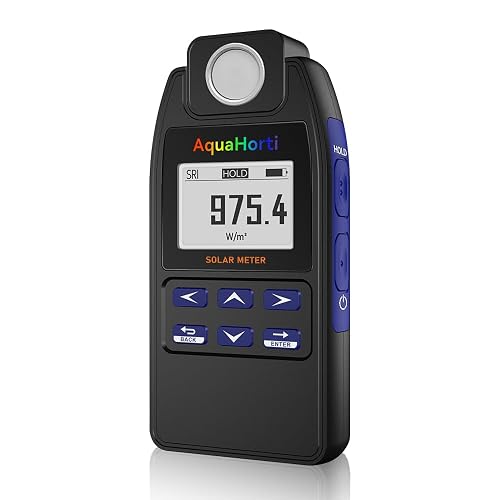 Best for sunlight measurementAH-SOL Solar Power MeterView on Amazon
- 3
 Best for larger arraysRechargeable Solar Panel Tester MPPT MeterView on Amazon
- 4
 Best budget pickSM206 Power Meter Solar Panel TesterView on Amazon
Our Top Picks
| Product | Best for | Key feature |
|---|---|---|
| FT-1000W Solar Panel Tester MPPT Meter | Checking open-circuit voltage and short-circuit current on individual modules | 1000W maximum power rating with Voc and Isc readings |
| AH-SOL Solar Power Meter | Measuring sunlight intensity at a proposed install site | Digital solar irradiance measurement |
| Rechargeable Solar Panel Tester MPPT Meter | Testing higher-wattage panels and strings | 2000W, 90V/40A rating with multiple protection functions |
| SM206 Power Meter Solar Panel Tester | General sunlight and solar energy research on a limited budget | Combined sunlight and power measurement in one handheld meter |
FT-1000W Solar Panel Tester MPPT Meter
FT-1000W Solar Panel Tester MPPT Meter – 1000W Max Power, 80V/35A PV Module Tester for Voc/Isc, Open Circuit Voltage & Short Circuit Current, with Backlight & Data Hold
Best for: Checking module electrical output against the nameplate ratings before connecting panels to a system.
This tester suits homeowners who have bought used or surplus panels and want to confirm their output before committing them to a roof or ground mount. Knowing whether a panel delivers its rated voltage and current helps you compare the real value of a panel against its purchase price per square meter.
Key specs
- Maximum power rating of 1000W
- Voltage range rated to 80V and current rated to 35A
- Measures open-circuit voltage (Voc) and short-circuit current (Isc)
- Backlit display with data hold function
Pros
- Reads the key electrical values you need to verify a panel’s condition
- Backlight makes readings easier to see in low-light conditions
- Data hold lets you record a reading while moving the probes
Cons
- Requires basic knowledge of photovoltaic terminology to interpret results
- Covers module-level testing, not whole-system monitoring
Bottom line: A strong choice for anyone who wants to verify individual panel output before buying or installing.
AH-SOL Solar Power Meter
AH-SOL Solar Power Meter – High Precision Digital Solar Irradiance Meter for Solar Panel Installation, Sunlight Intensity Measurement, Research and More
Best for: Measuring sunlight intensity at a proposed installation site.
Anyone deciding where to mount panels, or how much a roof orientation will realistically produce, can use a solar irradiance meter to compare locations. Owners often report using this type of meter to check shading and light levels across different parts of a yard or roof before committing to a layout.
Key specs
- Digital solar irradiance measurement for sunlight intensity
- Designed for solar panel installation and research use
Pros
- Helps compare candidate mounting locations with actual light readings
- Simple digital display suited to repeated site surveys
- Useful for documenting conditions before and after installation
Cons
- Measures light, not electrical output, so it does not replace a panel tester
- Readings reflect a single moment and need to be repeated across seasons
Bottom line: Best for homeowners who want to choose the sunniest, least-shaded spot before buying panels.
Rechargeable Solar Panel Tester MPPT Meter
Rechargeable Solar Panel Tester MPPT Meter Solar Power Tester, 2000W 90V/40A PV Panel Monitor, Auto/Manual Test, LCD Screen, TPR Anti-Drop, Overvoltage/Overcurrent/Reverse/Temp Protection
Best for: Testing higher-wattage panels and multi-panel strings.
This model is aimed at users working with larger modules or strings, where the higher voltage and current ratings matter. It fits homeowners who plan a multi-panel array and want to check each string before final wiring.
Key specs
- 2000W maximum power rating
- 90V and 40A rating
- Auto and manual test modes with LCD screen
- Overvoltage, overcurrent, reverse polarity and temperature protection
Pros
- Higher rating suits larger panels and strings
- Protection functions help guard against common wiring mistakes
- Auto and manual modes offer flexibility during testing
Cons
- Larger feature set can take time to learn
- Overkill for users testing only a single small panel
Bottom line: A good fit for homeowners building a multi-panel array who want protection built into their testing tool.
SM206 Power Meter Solar Panel Tester
SM206 Power Meter, Solar Panel Tester, Sunlight Meter, Solar Irradiance Meter for Solar Energy Research, Meteorology Sun Measurement
Best for: General sunlight and solar energy research on a limited budget.
This meter suits students, hobbyists and homeowners who want a general-purpose tool for sunlight and power readings without investing in a more advanced tester. It is a practical entry point for learning how light levels relate to panel output.
Key specs
- Designed for solar energy research and meteorology sun measurement
- Measures sunlight and power readings for solar testing
Pros
- Budget-friendly option for basic solar measurement
- Suitable for learning and experimentation
- Versatile across sunlight and power measurement tasks
Cons
- Less specialized than dedicated panel testers for voltage and current checks
- Specifications are less detailed in the listing, so confirm features before buying
Bottom line: A sensible starting point for anyone curious about solar output who does not need professional-grade testing.
Buying Guide
Understand what “cost per square meter” really measures
Solar panel cost per square meter is a simple ratio: the total installed price divided by the panel area. It says nothing about how much electricity the panels produce, which is why two quotes with the same cost per square meter can deliver very different results. Compare output per square meter alongside price per square meter to get a fair picture.
Good picks for this: FT-1000W Solar Panel Tester MPPT Meter, Rechargeable Solar Panel Tester MPPT Meter
Check module voltage and current ratings
Panel nameplates list rated power, open-circuit voltage and short-circuit current. Testing these values confirms whether a panel performs close to its label. Large deviations can indicate damage, aging or mismatched modules, all of which affect the real value of a panel.
Good picks for this: FT-1000W Solar Panel Tester MPPT Meter
Measure sunlight at the install site
Irradiance varies with orientation, tilt and nearby shade. Taking readings across several spots and times of day gives you a grounded estimate of how much each square meter of roof will actually produce, which matters more than the raw price figure.
Good picks for this: AH-SOL Solar Power Meter, SM206 Power Meter Solar Panel Tester
Match tester capacity to your array size
A single small module needs a different tool than a multi-panel string. Check that the tester’s voltage and current ratings exceed what your panels can produce, with some margin, so you do not overload the meter.
Good picks for this: Rechargeable Solar Panel Tester MPPT Meter, FT-1000W Solar Panel Tester MPPT Meter
Look for protection features
Overvoltage, overcurrent and reverse polarity protection reduce the risk of damaging the tester or the panels during testing. These features are especially useful for people who are new to working with photovoltaic wiring.
Good picks for this: Rechargeable Solar Panel Tester MPPT Meter
Consider portability and display
Handheld meters with backlit screens and data hold are easier to use outdoors, on roofs or in low light. If you plan to take readings in several locations, a compact, readable display saves time.
Good picks for this: FT-1000W Solar Panel Tester MPPT Meter, SM206 Power Meter Solar Panel Tester
Keep the meter and probes in good condition
Store the tester in a dry place, keep probe tips clean and check cables for wear before each use. Damaged leads can give false readings, which can lead to poor decisions about panel quality or cost.
Good picks for this: Rechargeable Solar Panel Tester MPPT Meter, AH-SOL Solar Power Meter
FAQ
What is solar panel cost per square meter?
It is the total installed cost of a solar system divided by the area of the panels in square meters. It helps compare quotes, but it should be read alongside panel efficiency and expected output.
Is a lower cost per square meter always better?
Not necessarily. A cheaper panel with lower efficiency may need more area to produce the same energy, which can raise the total cost of the system. Compare output per square meter, not just price.
Can a solar tester tell me if a panel is worth its price?
A tester can confirm whether a panel performs close to its rated voltage and current. That information helps you judge value, but it does not measure lifetime durability or warranty terms.
Do I need a solar irradiance meter for a home install?
It is helpful, though not required. Measuring sunlight at candidate spots can show which areas receive the most light and help you choose the best layout.
How often should I test my panels?
Many homeowners test after installation and then periodically, especially if output seems lower than expected. If you notice a sustained drop, consult a qualified solar installer.
Are these meters safe for beginners?
Working with live solar circuits carries shock and arc-flash risks. If you are unsure about electrical work, consult a licensed electrician or solar professional before testing or connecting panels.
Conclusion
Solar panel cost per square meter only tells part of the story. Pairing that figure with real measurements of voltage, current and sunlight gives you a clearer view of what a system will deliver. The FT-1000W Solar Panel Tester MPPT Meter suits homeowners who want to verify individual panels, while the AH-SOL Solar Power Meter helps choose the best install location. The Rechargeable Solar Panel Tester MPPT Meter fits larger arrays, and the SM206 Power Meter Solar Panel Tester is a practical starting point on a tighter budget.
Sources
- Federal guidance on how solar systems are sized, installed and evaluated for home use (energy.gov)
- Research data on solar resource, irradiance and photovoltaic module performance (nrel.gov)
- Electrical safety standards that apply to photovoltaic installation and testing (nfpa.org)
Related reading
- Solar Panels UK Cost Per Panel: A Homeowner's Guide to What You'll Pay
- Solar Panel Installation Cost per kWh: 4 Best Systems Compared (2026)
- Solar Panel Cost per kW in India: A Practical Guide for Homeowners
- What Is the Cost of Roof Solar Panels? A Homeowner's Q&A
- What Does the Cost of Thermal Solar Panels Look Like for a Home?
- Vivint Solar Panel Cost: What Homeowners Should Expect Before Signing
About Claire Whitaker
Claire Whitaker is part of our editorial team and reviews and edits our home solar guides, checking product details against manufacturer specifications and owner feedback.